Underdosed Actives: When 0.5% Vitamin C Isn't Doing What You Think
The ingredient list says 'Ascorbic Acid'. The marketing says 'Vitamin C'. The consumer assumes they're getting results.
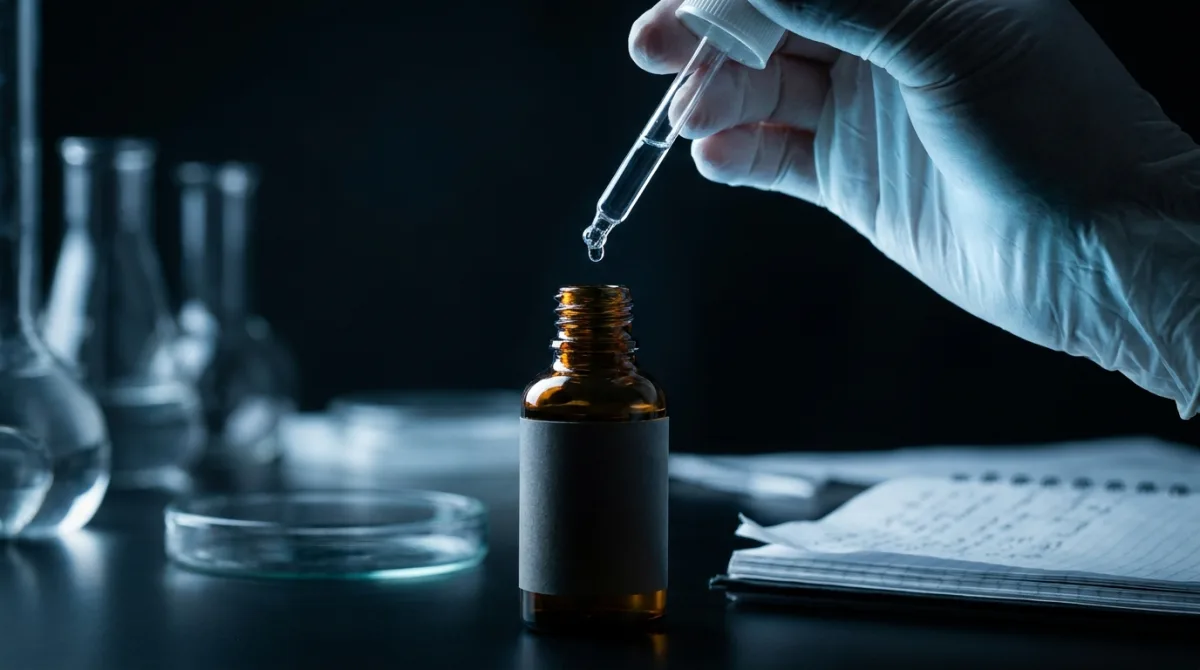
The ingredient list says ‘Ascorbic Acid’. The marketing says ‘Vitamin C’. The consumer assumes they’re getting results. But when that vitamin C is present at 0.5% in a formula where research shows efficacy starts at 10%, something important is missing from the conversation.
The Therapeutic Threshold Problem
Most active ingredients have a threshold below which they simply don’t work. This isn’t controversial — it’s basic pharmacology. A drug that works at 500mg doesn’t necessarily work at 5mg. The same principle applies to skincare actives.
Vitamin C (L-ascorbic acid) has been studied extensively. The research consistently shows that meaningful antioxidant and collagen-stimulating effects require concentrations of at least 10%, with optimal results typically seen at 15-20%. Below 10%, you’re not getting the benefits the research describes.
Retinol works differently depending on concentration. At 0.025%, effects are minimal. At 0.5-1%, you see significant improvements in texture and fine lines. The percentage matters.
Niacinamide shows benefits starting around 2%, with most studies using 4-5%. Hyaluronic acid needs sufficient concentration to form a meaningful film on skin. Alpha hydroxy acids have different effects at 5% versus 15%.
Every active has its own dose-response curve. The marketing rarely mentions this — for the full ingredient-by-ingredient breakdown of where each threshold actually sits, the ranges above are the headline version, not the whole picture.
Why Brands Underdose
Cost is the obvious factor. Active ingredients are expensive. Vitamin C at 15% costs more than vitamin C at 2%. Retinol at therapeutic levels costs more than retinol at trace amounts. Formulating for efficacy costs more than formulating for label claims.
Stability is another consideration. Higher concentrations of actives are harder to stabilise. Vitamin C oxidises. Retinol degrades. Keeping potent formulations stable requires better packaging, more sophisticated formulation, and often shorter shelf lives. All of that adds cost and complexity.
Then there’s the irritation factor. Effective concentrations of many actives can cause irritation in some users. A 15% vitamin C serum might sting on sensitive skin. A 1% retinol might cause peeling during the adjustment period. Low concentrations are ‘safer’ in the sense that they’re less likely to generate customer complaints — they’re also less likely to generate results.
The cynical calculation is simple: include enough of an ingredient to put it on the label, but not enough to either cost significantly more or risk irritation complaints. The consumer sees the ingredient name and assumes efficacy. The brand saves money and avoids complaints. Everyone’s happy except the person’s skin.
The Label Game
Cosmetic regulations don’t require brands to disclose ingredient percentages for most actives. As long as the ingredient is present and listed in the correct order (by concentration), the requirements are met.
This means a product can prominently feature ‘VITAMIN C’ on the front of the packaging while containing vitamin C at levels far below any therapeutic threshold. The claim isn’t false — vitamin C is in there. It’s just not doing anything. It’s the same mechanism that lets a headline active sit at homeopathic levels while the front-of-pack claim stays technically true, and the one that lets a proprietary blend bury the actual percentage inside a trademarked name nobody can decode.
Some brands have started voluntarily disclosing percentages, recognising that informed consumers want this information. But it’s not required, and most brands don’t do it. The absence of percentage information should always prompt questions.
How To Spot Underdosed Products
Price is a rough guide. Effective concentrations of premium actives cost money. If a vitamin C serum is dramatically cheaper than competitors, there’s usually a reason. Either the concentration is lower, the form is less effective, or the stabilisation is compromised.
Ingredient position matters. If the highlighted active appears well down the ingredient list — after water, glycerin, and several other ingredients — it’s likely present at low percentages. For an active to be effective, it generally needs to be in the first third of the list — reading that list properly is a skill worth having before you buy.
Brand transparency is telling. Companies that formulate at effective levels tend to tell you so. They’ll state the percentage prominently. They’ll reference the research supporting their chosen concentration. Silence on percentages often indicates there’s nothing impressive to disclose.
Experience matters too. An effective vitamin C serum has a particular feel — often slightly tacky before absorption. An effective retinol might cause mild flaking initially. An effective AHA will produce noticeable exfoliation. If a product contains supposedly potent actives but produces no perceptible effects, the concentration may be the issue.
What Proper Dosing Looks Like
Brands serious about results formulate at levels supported by research. They’ll tell you the percentage. They’ll explain their formulation choices. They’ll acknowledge the trade-offs — yes, this concentration might cause initial adjustment effects, here’s how to manage them.
They’ll also price accordingly. Effective skincare isn’t cheap to formulate. The cost of quality actives at therapeutic levels, proper stabilisation, and appropriate packaging adds up. Brands that deliver results charge for that delivery.
The alternative is paying less for products that contain the right words on the label but the wrong amounts in the formula. Your skin can’t read ingredient lists. It only responds to what’s actually there, at levels that actually work.