The EWG Rating System: What It Is and Isn't
The Environmental Working Group's Skin Deep database has become shorthand for 'safe' skincare — but its methodology is murkier than the badge suggests.
The Environmental Working Group’s Skin Deep database has become shorthand for ‘safe’ skincare. But like most shortcuts, it’s more complicated than it appears — and understanding what it actually measures (and doesn’t) makes it far more useful.
What EWG Actually Does
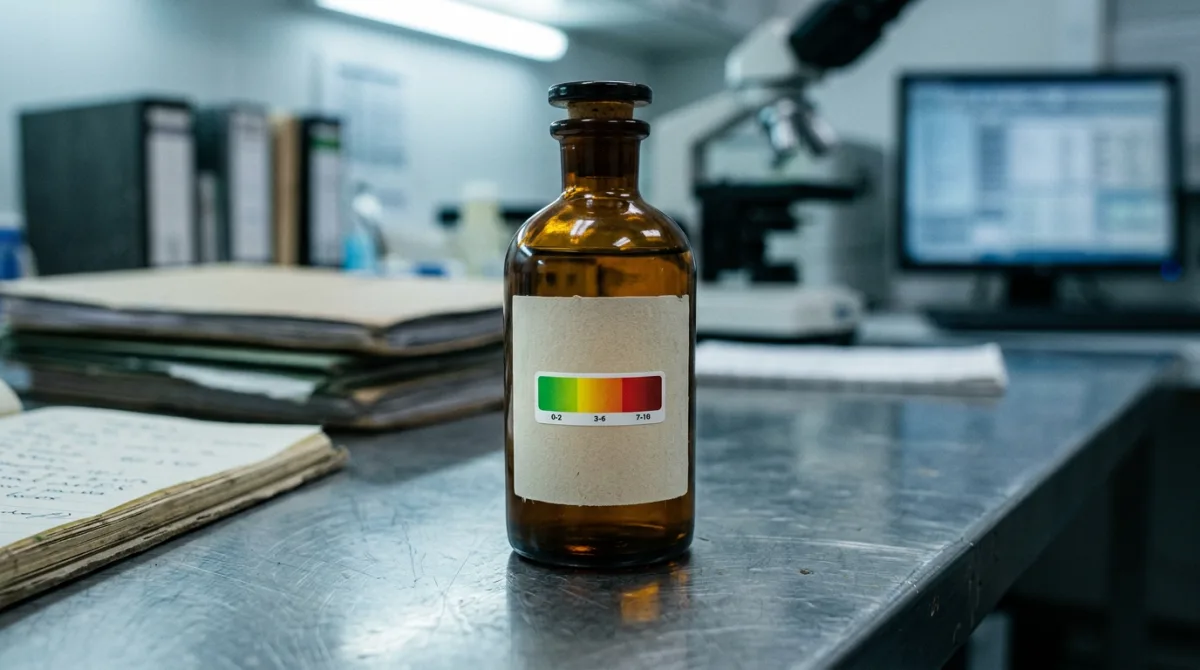
The Environmental Working Group is a US-based non-profit that maintains Skin Deep, a database rating cosmetic ingredients on a scale of 1–10. Lower is better: 1–2 is considered low hazard, 3–6 moderate, 7–10 high.
The ratings aggregate data from dozens of sources, including regulatory databases, scientific literature and industry assessments, then weight them based on data quality and relevance. The system considers potential health concerns including cancer, developmental toxicity, allergies, and environmental impact.
For consumers trying to navigate ingredient lists that read like chemistry exams, it’s genuinely useful. Type in an ingredient, get a number. Simple.
But simple isn’t the same as complete.
What the Ratings Actually Measure
EWG ratings assess hazard, not risk. This distinction matters enormously.
Hazard is the inherent potential for harm. A knife has high hazard — it can cut you.
Risk is the likelihood of that harm occurring given actual exposure. A knife in a drawer has low risk. A knife you’re juggling has high risk.
EWG rates hazard. It asks: could this ingredient, under some circumstances, cause problems? That’s valuable information. But it doesn’t always tell you whether your exposure — at the concentration in your product, applied to your skin, at your frequency of use — actually poses meaningful risk.
An ingredient might score 5 because high concentrations caused problems in animal studies, even though it’s used at 0.1% in your moisturiser and has decades of safe use at that level.
The Limitations Worth Understanding
Concentration blindness. EWG rates ingredients, not formulations. The same ingredient at 0.5% versus 15% gets the same score — but they’re not the same thing. Vitamin C at 20% is an active treatment. At 0.1% it’s a marketing claim. The hazard profile is identical; the actual impact on your skin is not.
Data gaps show as concern. When there’s limited research on an ingredient, EWG flags this — which is responsible. But a “data gap” warning can make a well-established ingredient look more concerning than a heavily-studied one, even when the established ingredient has a better actual safety record.
Context collapse. Retinol scores 9 on EWG — high hazard. That’s because high-dose oral vitamin A during pregnancy causes birth defects. But topical retinol in skincare at typical percentages? The actual risk is orders of magnitude lower. The hazard flag is technically accurate; the implied danger is misleading.
US-centric regulation. EWG primarily references US regulatory status. EU cosmetic regulations are generally stricter, banning or restricting ingredients the US permits. A product legal in the US might not be legal in the UK — and EWG won’t necessarily flag that difference.
What EWG Gets Right
None of this means EWG is useless. Far from it.
Transparency forcing function. The existence of Skin Deep has pushed brands toward cleaner formulations. When consumers can easily check ingredients, brands think twice about what they include. That’s the same market pressure that turned “clean” into a marketing category — except here it’s backed by an actual database, not just a word on a label.
Allergen flagging. EWG is excellent at highlighting ingredients with high sensitisation potential. If you’re prone to reactions, the allergy and immunotoxicity scores are genuinely useful screening tools.
Cumulative exposure thinking. We don’t use one product. We use cleanser, toner, serum, moisturiser, sunscreen, makeup. EWG encourages thinking about total exposure across your routine, not just single products in isolation.
Ingredient education. The database teaches people to read labels. Even if you disagree with specific ratings, the habit of checking what’s in your products is valuable.
The Verification Problem
EWG offers a “Verified” mark for products that meet their standards. This is more meaningful than the basic ingredient ratings because it considers formulation, not just ingredient lists.
To get verified, products must: use only ingredients scoring 1–2 (green rated), disclose all ingredients including fragrance components, meet EWG’s manufacturing standards, and avoid certain ingredients regardless of score.
The limitation? Verification is paid. Brands pay for assessment, raising the same who-funded-this question worth asking of any brand-commissioned clinical study. That doesn’t mean verified products aren’t good — many are excellent. But it means non-verified products aren’t necessarily worse. A small brand might make an equally clean product but not have the budget or US market presence to pursue verification.
How to Actually Use It
EWG works best as a screening tool, not a decision-maker — the same caution worth applying to any single-word or single-number label, from “hypoallergenic” to a cruelty-free bunny stamp, that promises more certainty than it actually delivers.
Use it to flag, not to judge. If an ingredient scores 7+, that’s worth investigating. Read the actual concerns listed. Are they relevant to your use case? A high score for oral toxicity matters less for a leave-on serum than a lipstick you might ingest.
Look at the breakdown, not just the number. EWG shows why ingredients score as they do — cancer concerns, allergies, environmental impact. A 4 driven by allergy potential matters if you have sensitive skin. A 4 driven by environmental persistence might not affect your personal choice.
Consider concentration. If an ingredient is listed near the end of an ingredients list (meaning lower concentration), even a moderate EWG score is less concerning. Ingredients are listed in descending order by volume — what’s first matters more than what’s last.
Cross-reference. EWG isn’t the only resource. The EU’s CosIng database, independent ingredient-dictionary sites, and published dermatological literature all provide different perspectives. No single source has the complete picture.
The Formulator’s Perspective
Here’s something consumers rarely consider: formulating within EWG constraints is genuinely difficult.
Some of the most effective preservative systems score higher than alternatives that don’t work as well. Some proven actives carry hazard flags that gentler (but less effective) alternatives don’t. Fragrance-free formulation limits options for masking the natural smell of certain ingredients.
A brand that commits to EWG-friendly formulation, especially at the 1–2 level, is accepting real constraints. They’re choosing from a smaller palette. They’re often paying more for ingredients. They’re doing additional stability testing with gentler preservative systems.
That’s not necessarily better — some excellent products couldn’t exist within those constraints. But it is a choice that represents genuine effort, not just marketing.
The Balanced View
EWG has critics who dismiss it entirely — usually formulators frustrated by what they see as fear-mongering about safe ingredients. It also has devotees who treat a score of 3 like a death sentence, the same all-or-nothing reading that treats a cruelty-free logo as a rigorously audited guarantee rather than one signal among several.
Both positions miss the point.
EWG is a tool. Like any tool, it’s useful when you understand what it does and doesn’t do. It’s not a complete safety assessment. It’s not a guarantee of efficacy. It’s not a replacement for understanding your own skin.
What it is: a reasonable starting point for consumers who want to understand what they’re putting on their skin, with the caveat that the numbers are hazard indicators rather than risk assessments.
If a brand tells you their products are formulated to meet EWG standards — especially at the 1–2 level — that means something. Not everything. But something. They’ve accepted constraints. They’ve made formulation harder for themselves. Whether that matters to you depends on your priorities.
The right question isn’t “is EWG correct?” It’s “what does this rating actually tell me, and what else do I need to know?”