Before & After Photography: Lighting, Angles, Makeup, and Manipulation
The before photo shows dull, uneven skin under harsh lighting. The after photo shows radiant, smooth skin in soft, flattering light. Same person. Same skin.
The before photo shows dull, uneven skin under harsh lighting. The after photo shows radiant, smooth skin in soft, flattering light. Same person. Same skin. Different photography. You’re not looking at product results — you’re looking at the difference between a photographer trying to make skin look bad and then trying to make it look good.
The Lighting Game
Lighting can transform how skin appears without changing anything about the skin itself.
Hard, direct lighting from above or the side emphasises texture, pores, fine lines, and uneven tone. Every imperfection casts a shadow. The skin looks rough, aged, problematic. This is ‘before’ lighting.
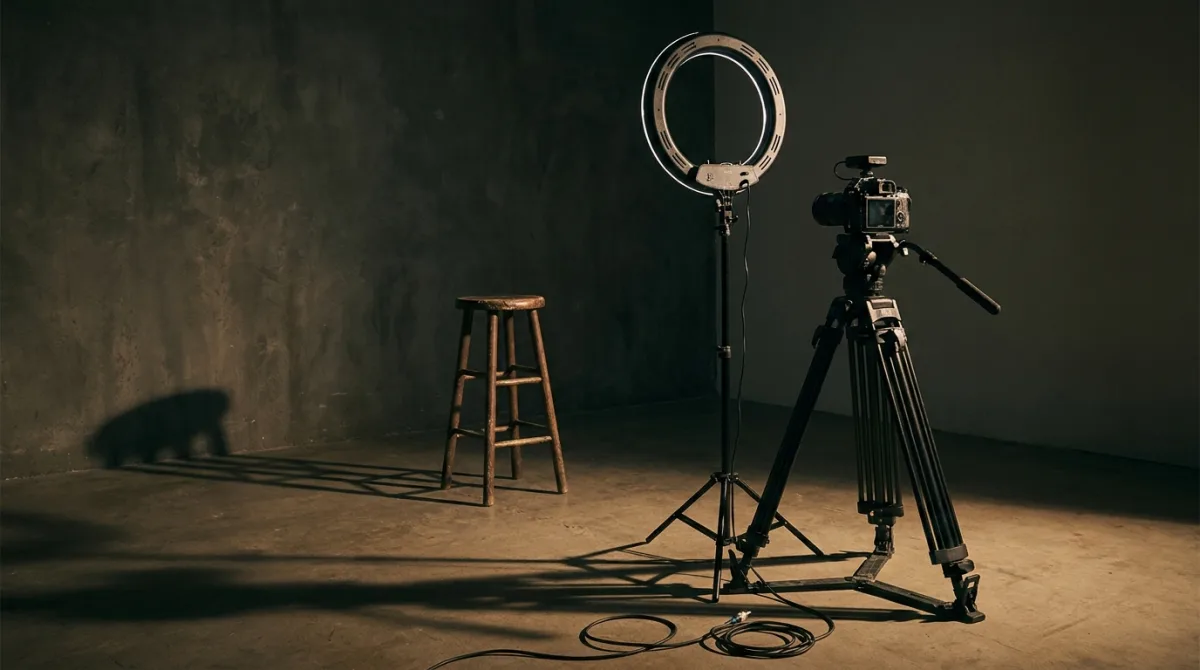
Soft, diffused lighting from the front minimises texture and shadows. Fill lights reduce contrast. Ring lights create that even, glowing effect. The skin looks smooth, even, healthy. This is ‘after’ lighting.
The same face, photographed seconds apart with different lighting setups, can look like two different levels of skin health. No product required.
Legitimate clinical photography uses standardised lighting — same setup, same position, same intensity for before and after. Most marketing photography doesn’t.
Camera Angles and Distance
Distance from camera affects perceived skin quality. Close-up shots reveal pores and texture. Slightly further back smooths everything out.
Angle matters too. Shooting from slightly below can emphasise under-eye bags and jowls. Shooting from slightly above tightens the jawline and reduces apparent sagging.
Tilt the chin down and you create shadows under the eyes. Tilt it up and those shadows disappear. None of this reflects actual changes in the skin — just how it’s being photographed.
Proper comparative photography requires identical positioning, measured and marked. Marketing shots rarely bother with that level of precision.
The Makeup Factor
‘After’ photos often feature subtle makeup that the viewer isn’t told about. A light primer evens skin texture. Colour corrector reduces redness. Illuminating products add ‘glow’. Concealer handles dark circles.
Meanwhile, the ‘before’ photo shows bare skin — sometimes photographed after the subject has removed all skincare products, first thing in the morning when skin is at its most uneven.
The comparison isn’t bare skin versus treated skin. It’s deliberately compromised skin versus skin that’s been prepared for photography. The product did nothing; the preparation did everything.
Some brands require disclosure that ‘after’ photos include makeup. Many don’t. And even when disclosed, it’s often in fine print that viewers miss.
Digital Manipulation
Then there’s post-processing. Image editing software can smooth texture, even tone, brighten eyes, whiten teeth, reduce redness, and create that perfect skin we see in advertising.
Regulations vary by country. In the UK, the ASA has guidelines about materially misleading alterations. In practice, enforcement is inconsistent and the line between ‘colour correction’ and ‘enhancement’ is blurry.
Social media images face even fewer constraints. Influencer ‘transformations’ are frequently enhanced beyond any legitimate adjustment. Apps can smooth skin in real-time before the photo is even taken.
What you’re looking at often isn’t photography — it’s digital illustration that started with a photograph.
The Timing Tricks
Beyond image manipulation, timing itself can be exploited.
‘Before’ photos taken in the morning when skin is puffy, or after exercise when it’s flushed, or during a breakout — timing chosen for maximum unflattering effect.
‘After’ photos taken when well-rested, well-hydrated, in the afternoon when facial swelling has subsided, perhaps after a facial that temporarily improves skin appearance regardless of which products were used. The photo shoot date is usually pegged to the same arbitrary four-week window the marketing copy promises results by — not to any point where the skin has genuinely settled into a new state.
Seasonal differences can also be exploited. Skin often looks better in humid summer months than dry winter ones. A ‘before’ in February and an ‘after’ in July might show genuine improvement that has nothing to do with the product.
What Legitimate Documentation Looks Like
Proper clinical documentation exists. It involves standardised photography systems — same camera, same distance, same lighting, same positioning, measured and consistent. No makeup. No flattering angles. Date-stamped with clear protocols.
VISIA and similar systems photograph under controlled, reproducible conditions. Cross-polarised lighting reveals subsurface pigmentation. UV imaging shows sun damage. The conditions are identical every time.
Brands with genuine results to show tend to use these systems and share the standardised imagery. The photography itself becomes evidence of their confidence in the product — though it’s worth asking the same question you’d ask of any brand-funded clinical study: who commissioned the imaging, and were the conditions set up to find a real effect or to flatter a foregone conclusion?
Brands relying on visual trickery use Instagram-style photography where nothing is controlled and everything is optimised for impression rather than accuracy.
How To Evaluate Before & After Claims
Ask whether the lighting looks identical. If the ‘before’ is harsh and shadowy while the ‘after’ is soft and glowing, you’re seeing photography differences, not skin differences.
Check for disclosure about makeup, editing, and photography conditions. Absence of disclosure is its own red flag.
Look for standardised clinical photography rather than lifestyle imagery. Clinical results look clinical. Marketing looks like marketing.
Be especially sceptical of dramatic transformations. Skin can improve with good products and consistent routines. But if someone looks completely different, the explanation is probably photography rather than product. It’s the same sleight of hand as “up to” percentage claims — one striking outlier, dressed up as what you should expect.
Watch for this in person too. The in-store or virtual consultation that photographs your skin before recommending a routine is running the same before-shot playbook — harsh ring-light close-ups designed to make your skin look worse than it is, so the recommended products have more visible ground to make up.
Your own mirror, under your own bathroom lighting, is a more honest assessor than any brand’s carefully curated imagery.